By Ariana McArthur, Ph.D.
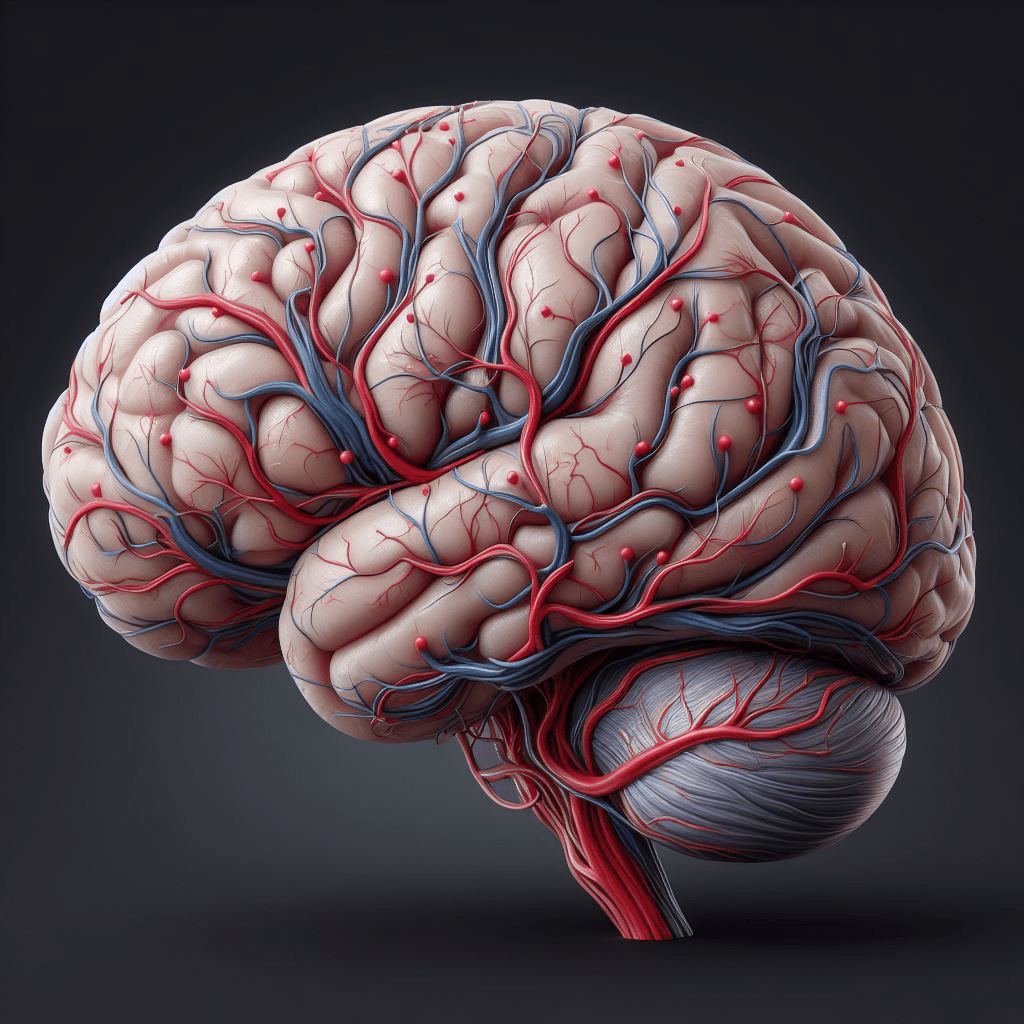
Studies have shown that mental stress can cause physical reactions to the body. Stress over long periods of time can decrease the size of the prefrontal cortex. This causes a disruption to the parts of the brain responsible for making decisions.
STRESS CHANGES THE BRAIN
When we experience a stressful event, there is a change that occurs in our brain. The amygdala, known as the emotion sector of the brain, sends a message to the hypothalamus. The hypothalamus is the part of the brain that regulates our mood, thirst, sleep, blood pressure, body temperature, and more (Touro University, n.d.). The amygdala communicates with the hypothalamus that there is a threat. This then engages the body in fight or flight mode. This results in the faster heart beat, intake of breath, and physical reactions of the body in an activated response of survival.
There are ways we can protect our brain health while experiencing life’s stressors.
SLEEP
Researchers advise on eight hours of sleep per night. Why is sleep important? While we sleep, our body works hard to repair cells, organs, muscle damage, and rest our heart and blood vessels (National Institute of Health, 2023). If the body does not receive enough sleep, the stress hormone, cortisol, increases within the body. Anxiety can increase, the immune system can be weakened, and impaired cognitive function, such as decision making, can take place.
How does this relate to stress?
Sleep helps to manage stress hormones such as cortisol, which helps to relieve anxiety. Sleep helps to provide mental clarity and decision making which is impacted during stress, and supports physical health.
SUPER TIP: Research shows blue light that is emited from your cell phone, causes us to stay awake longer. To optimize your sleep, put your phone away, and turn the TV off a couple hours before bed (Silvani et al., 2022).
EXERCISE
When you get up and move, you’re working with your body to give those defenses a place to go.
Another countermeasure against stress is exercise. Physical activity can decrease the stress hormone, cortisol. Experts recommend 30 minutes of exercise a day can significantly improve overall mental health.
How does exercise improve mental health?
When we exercise, our body releases endorphins (MayoClinic, 22). Endorphins are the hormones that help us feel good. Ever heard of a “runner’s high?” Maybe you’ve heard someone stressed say, “I need to go for a walk,” or you’ve told someone stressed, “take a walk.” When we exercise when the body is already in a state of fight or fight, it helps to equalize the stress of the body. Imagine standing still while you’re insides are now in a state of stress. When you get up and move, you’re working with your body to give those defenses a place to go.
STAYING HYDRATED

How does staying hydrated protect our brain health during periods of stress?
Drinking enough water each day helps to manage stress hormones and regulate mood. This can help to reduce stress and anxiety. It helps flush out toxins from the brain and maintain focus and attention.
How much water should you drink?
The amount an individual should drink depends on many factors including how active one is, sex, and temperature. The brain signals the body to feel thirsty, alerting you when you should drink water. Drink when you feel thirst!
BONUS: Here’s a resource on how stress affects the brain:
Let me know your own techniques when dealing with stress, anxiety, or a mental illness, and how you fight it.
References
Touro University. (n.d.). The mind and mental health: how stress affects the brain. https://www.tuw.edu/health/how-stress-affects-the-brain/
Mayo Clinic. (n.d.) Exercise and stress: Get moving to manage stress. https://www.mayoclinic.org/healthy-lifestyle/stress-management/in-depth/exercise-and-stress/art-20044469
National Institute of Health. (2023) https://www.ninds.nih.gov/health-information/public-education/brain-basics/brain-basics-understanding-sleep#:~:text=Sleep%20affects%20almost%20every%20type,in%20the%20brain%20during%20sleep.
Silvani, M. I., Werder, R., & Perret, C. (2022). The influence of blue light on sleep, performance and wellbeing in young adults: A systematic review. Frontiers in physiology, 13, 943108. https://doi.org/10.3389/fphys.2022.943108





Leave a Reply